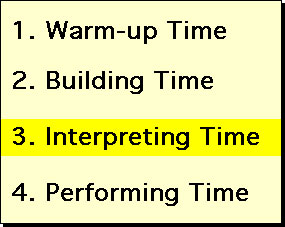
Kinds of Practice
“. . . when the performer works on performance literature that has been mastered technically but needs attention from an expressive standpoint.”
a. Much of this can and should be done away from the organ. Just as mental practice is helpful in mastering the technical aspects of a piece, it is also a valuable tool in learning to play expressively. Think through the music, visualizing yourself incorporating all the nuances that are part of a beautiful performance. Conduct the piece. Sing each voice. Dance to it.
b. Retire all stops occasionally. As you play the piece, listen for excessive movement, revealed through key noise or loud tapping of the pedals. Remember that at the organ the dynamic level is not affected by hitting the keys harder.
c. Record your pieces often. When in the process of “making it all happen,” it is hard to hear the music as others hear it. Listening to a recording removes all technical concerns, allowing you to hear and evaluate the finished performance on its own merits.